

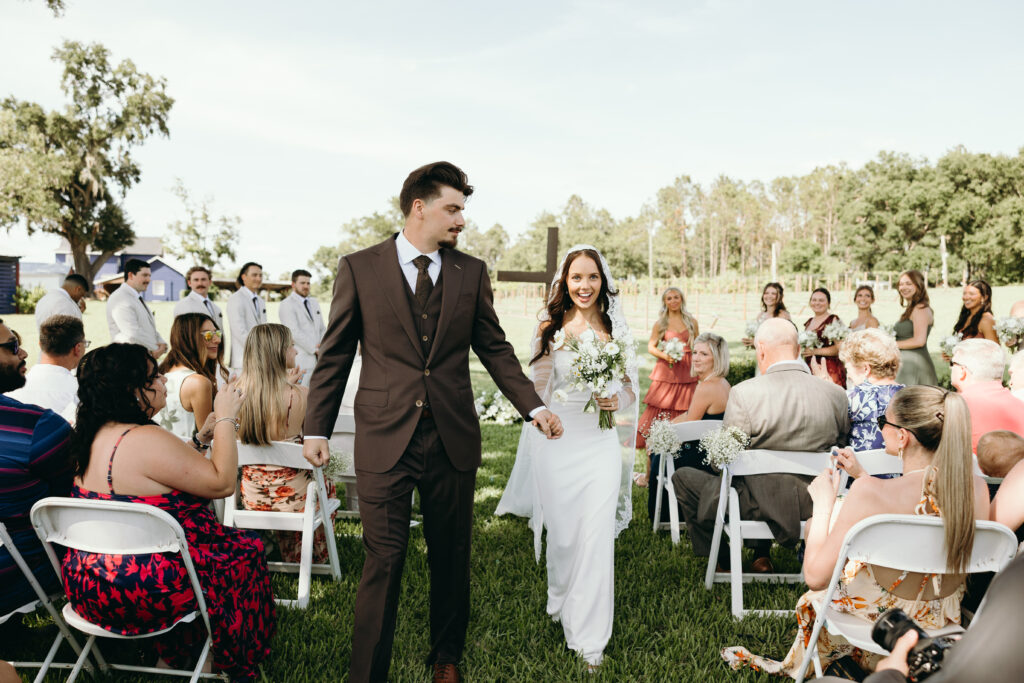
“Do we really need a wedding planner? Can’t we just coordinate everything ourselves?”
I hear this question at least once a month from newly engaged couples trying to stick to their budget. And I get it – wedding planners aren’t cheap, and when you’re looking at your spreadsheet trying to figure out where to allocate funds, cutting the planner feels like an easy way to save $3,000-5,000.
But here’s what I’ve learned after photographing hundreds of weddings, both with planners and without: the couples who skip the planner almost always end up paying for it in other ways. Ways that don’t show up on a budget spreadsheet but absolutely show up on their wedding day.
I’m not a planner. I don’t get a kickback for recommending them. But as your photographer – someone who will be there for every moment of your wedding day – I’ve seen firsthand what happens when there’s no one managing the logistics. And I’m going to be honest with you about what that actually costs you.
What A Wedding Planner Actually Does (And Why It Matters)
First, let’s clear up what a planner isn’t: they’re not just someone who makes your wedding “pretty” or helps you pick colors. A good wedding planner is a project manager, a logistics coordinator, a timeline architect, a vendor liaison, and a problem-solver all in one.
Here’s what they’re actually doing behind the scenes:
They create a realistic timeline. Not a Pinterest-inspired fantasy timeline where you somehow get ready, do a first look, take family photos, travel to the ceremony site, get married, do portraits, and make it to cocktail hour all between 3pm and 5pm. A real timeline that accounts for traffic, bathrooms, touch-ups, and the fact that family photos always take longer than you think.
They manage vendor communication. Your photographer needs to know when the first look is. Your florist needs to know when to deliver. Your caterer needs to know when cocktail hour starts. Your DJ needs the final timeline and song list. Your planner makes sure everyone has the information they need and that all the moving pieces actually work together.
They handle day-of logistics. Someone needs to make sure the ceremony chairs are set up correctly, the escort cards are displayed, the gift table is where it should be, the bathrooms are stocked, and the cake is delivered on time. Without a planner, that “someone” is either you, your mom, or a well-meaning bridesmaid – none of whom should be working on your wedding day.
They problem-solve in real time. The flowers arrived wilted. The groom’s boutonniere fell off. A groomsman locked the rings in his car and can’t find his keys. The caterer is running 20 minutes behind. Rain is coming earlier than expected. A planner handles all of this without you even knowing there was a problem.
They protect your photography investment. This one’s huge and most couples don’t realize it. Your planner ensures you actually have time for the photos you’re paying thousands of dollars for. They buffer the timeline, manage family photos, keep things moving, and make sure you’re not sacrificing photo time because cocktail hour started late.


Real Stories: What Happens Without A Planner
Let me share some real situations I’ve witnessed at weddings without planners. I’ve changed details to protect privacy, but these scenarios happen more often than you’d think.
The Timeline Disaster
The couple planned their own timeline: first look at 3pm, family photos at 3:30pm, ceremony at 4pm, portraits at 4:30pm, reception entrance at 5pm. Seems tight but doable, right?
Here’s what actually happened: The bride was 25 minutes late getting dressed because her mom needed help with her zipper and no one was managing getting-ready flow. First look pushed to 3:30pm. Family photos started at 4pm but took 45 minutes instead of 30 because there was no organized shot list and no one wrangling people. Ceremony started at 4:50pm instead of 4pm because the officiant was waiting for all the family members who were still doing photos.
They never got couple portraits in golden hour. We had maybe 10 rushed minutes after the ceremony before they needed to be at cocktail hour. They spent $6,500 on photography and got a fraction of the portrait time they’d planned for – all because there was no one managing the timeline with realistic buffers.
The cost? They didn’t get the sunset photos they’d been dreaming about for a year. No price tag on that spreadsheet, but they definitely paid for it.
The Vendor Miscommunication
A couple coordinated all their own vendors. They told the caterer cocktail hour would be 5-6pm. They told the DJ reception would start at 5:30pm. They told me (the photographer) they wanted to do a grand entrance at 6pm.
Day of? The caterer set up cocktail hour for 5pm, the DJ started playing at 5:30pm thinking people would be in the reception space, but the cocktail hour space was so crowded that guests couldn’t move. By the time everyone made it into the reception, it was 6:15pm. The salads were sitting out getting warm. The DJ was frustrated because his timeline was off. And the couple’s grand entrance happened in chaos because no one was managing the flow.
A planner would have caught these timing conflicts weeks before the wedding and created a cohesive timeline every vendor was working from. Instead, the couple spent the first hour of their reception stressed and playing catch-up.
The Detail Nightmare
A DIY-coordinated couple brought all their own decorations: welcome sign, escort cards, centerpieces, card box, guest book, favors, table numbers. They arrived the morning of to set everything up themselves (and by “themselves” I mean the bride, three bridesmaids, and the groom’s mom).
Setup took three hours. The bride was sweating through her makeup. Two bridesmaids missed getting their hair done at the salon because they were assembling centerpieces. And when I arrived at 2pm for getting-ready photos, the bride was still in the reception space hot-gluing something, visibly stressed and behind schedule.
A day-of coordinator would have handled all of that setup. The bride would have been relaxing with champagne and her bridesmaids, getting pampered and enjoying the morning. Instead, she spent it doing manual labor and started her wedding day exhausted.
The cost? The getting-ready photos she’d been excited about were rushed and stressful instead of relaxed and joyful. And she’ll never get that morning back.


The Family Photo Chaos
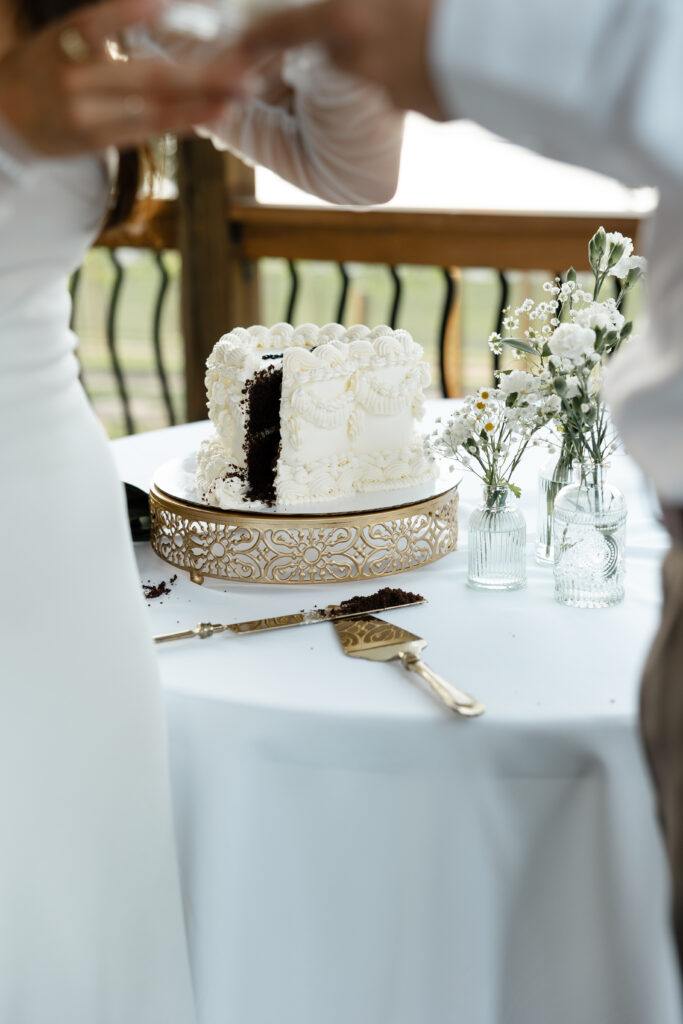
No planner meant no one was assigned to wrangle family for formal photos. The couple thought they could just “gather everyone quickly after the ceremony.”
It took 40 minutes to round up all the family members for a 20-minute photo list. Grandparents were in the bathroom. The groom’s brother was at the bar. No one could find the flower girl. People kept wandering off mid-photos. The couple got increasingly frustrated. I felt terrible watching their stress levels rise, but I’m the photographer – I can’t leave my camera to go hunt down Uncle Steve.
By the time we finished family photos, we’d eaten into their entire cocktail hour. They barely saw their guests during that time and we lost all the golden hour portrait time they’d been excited about.
A planner would have assigned someone to keep the family photo list organized and gather people efficiently. Those same photos would have taken 15 minutes with someone managing the process.
The Rain Crisis
Outdoor ceremony, no backup plan, no planner, and rain rolled in 30 minutes before the ceremony.
The mother of the bride was running around trying to find someone to move chairs inside. The venue coordinator (who was only responsible for the building, not the event coordination) helped move the ceremony indoors but had no idea about the couple’s vision for the space or where things should go. Guests were confused about where to sit. The timeline fell apart because moving everything took 45 minutes instead of the planned 10 minutes.
The ceremony happened, but it was chaotic and stressful. And every photo from that hour shows the stress on everyone’s faces.
A planner would have had a detailed backup plan, communicated it to all vendors ahead of time, and executed the move smoothly with a clear vision for the indoor setup. The couple would have been calm and confident instead of panicked.
How A Planner Protects Your Photography Investment
You’re spending thousands of dollars on photography. Here’s how a planner ensures you actually get the photos you’re paying for:
They build in realistic buffers. Hair and makeup always runs late. Traffic happens. People need bathroom breaks. A planner accounts for all of this so your timeline doesn’t fall apart the moment something takes 10 minutes longer than expected.
They manage family photos efficiently. A good planner has a system. They keep the shot list organized, they gather people quickly, they keep things moving. What could be a 45-minute chaotic mess becomes a 15-minute organized process.
They protect your couple portrait time. Without a planner, couple portraits are the first thing that gets sacrificed when the timeline runs late. With a planner, they’re fiercely protecting that time because they understand it’s a priority.
They handle problems so you can be present. When something goes wrong (and something always goes wrong), the planner fixes it. You get to stay in the moment instead of going into problem-solving mode. And that presence shows in your photos – there’s a massive difference between stressed-crisis-management face and genuine-joyful-present face.
They keep your wedding day moving. Dead time kills the energy and the photos. A planner keeps the flow going so there’s no awkward 30-minute gap where guests are standing around waiting and the energy deflates.
“But We’re Having A Small Wedding – Do We Still Need A Planner?”
Short answer? Especially yes.
Small weddings often mean you’re doing more yourself. Fewer guests doesn’t mean fewer logistics – it often means more DIY elements, more personal touches, and more details to manage. And you still need someone to set everything up, manage the timeline, coordinate vendors, and handle problems.
The weddings I’ve seen fall apart most dramatically are the intimate 50-person weddings where the couple thought “it’s small, we can handle it ourselves.” They can’t. Or rather, they can, but it means they spend their wedding day working instead of being present.
Different Types Of Planners (And What They Cost)
If you’re worried about budget, know that there are different levels of planning services:
Full-service planner ($4,000-$10,000+): Involved from day one. Helps with venue selection, vendor recommendations, design, budget management, timeline creation, and day-of coordination. This is the premium option and it’s worth every penny if you can swing it.
Partial planner ($2,500-$5,000): Comes in a few months before the wedding. Helps finalize vendors, creates your timeline, manages final details, and handles day-of coordination. Great middle ground if you’re comfortable with the big planning decisions but need help with execution.
Day-of coordinator ($1,500-$3,000): Steps in 2-4 weeks before the wedding. Confirms details with vendors, creates the day-of timeline, manages setup and coordination on the wedding day. This is the absolute minimum you should have – and honestly, it pays for itself in stress reduction alone.
Month-of coordinator ($2,000-$4,000): Like day-of but with more lead time to catch problems before the wedding week. Often the sweet spot for couples who’ve done most of the planning themselves.
When You Can Skip The Planner (Spoiler: Almost Never)
I’ll be straight with you – there are very, very few scenarios where skipping a planner makes sense:
You can skip a full-service planner if:
- You genuinely love planning and have the time to dedicate to it
- You’re extremely organized and detail-oriented
- You have a long engagement to spread out the work
- You’re working with an all-inclusive venue that provides significant coordination
You should still have at least a day-of coordinator if:
- You’re having more than 20 guests
- You have any DIY elements or personal touches
- You’re working with more than 3 vendors
- You want to actually enjoy your wedding day
- You’re spending more than $2,000 on photography (because you want to get what you paid for)
You truly don’t need any coordination if:
- You’re eloping with just the two of you and a photographer
- You’re having a very casual backyard gathering with literally no scheduled events and you’re genuinely okay with chaos
That’s about it. Everything else benefits massively from having a planner.
What To Look For In A Planner
Not all planners are created equal. Here’s what to look for:
Experience with your venue or venue type. If you’re getting married at a ballroom, you want someone who’s worked ballroom weddings. If you’re doing a outdoor estate wedding, you want someone who understands those logistics.
Strong vendor relationships. Good planners have worked with your other vendors before and know how to communicate with them effectively.
Detailed process and communication. They should clearly explain their timeline, how they’ll communicate with you, and what you can expect from them.
Problem-solving skills. Ask them about a wedding where something went wrong and how they handled it. You want someone who stays calm under pressure.
Personality fit. You’ll be working closely with this person for months. Make sure you actually like them and trust them.


The Real Cost Of Not Hiring A Planner
Here’s what skipping a planner actually costs you – and none of this shows up on a budget spreadsheet:
Stress. Months of planning stress, vendor communication, timeline creation, and detail management. Plus day-of stress when you should be present and joyful.
Time. Hundreds of hours of your time (and your family’s time) that you’ll never get back. Time you could spend enjoying your engagement instead of drowning in vendor emails.
Photo quality. Rushed photos, missed moments, stressed faces, bad lighting, chaotic family photos. You paid thousands for photography – a planner ensures you actually get the images you’re paying for.
Experience. Your wedding day should feel smooth, joyful, and present. Without a planner, it often feels chaotic, stressful, and rushed. You don’t get a do-over.
Family relationships. When your mom or your siblings end up doing coordination work, they’re not enjoying your wedding – they’re working. And that can create resentment and tension.
Vendor satisfaction. When timelines fall apart and communication is unclear, vendors get frustrated. That affects their performance and the quality of service you receive.
So yes, a planner costs $1,500-$10,000 depending on the level of service. But not having one? That costs you in ways that money can’t fix.
The Bottom Line
I’ve never – not once – had a couple tell me they regretted hiring a planner. But I’ve had dozens of couples tell me they wished they’d hired one.
As your photographer, I can make magic happen in almost any situation. I can adapt to timeline changes, work in difficult lighting, and capture genuine moments in chaos. But I can’t be in three places at once. I can’t coordinate your vendors. I can’t manage your timeline. I can’t wrangle your family. And I can’t fix problems that steal your photo time.
A planner can.
If you take one piece of advice from this entire blog series, let it be this: find room in your budget for at least a day-of coordinator. Cut the favors. Simplify the florals. Skip the fancy invitations. But do not skip the planner.
Your wedding day happens once. You deserve to actually be present for it instead of managing logistics. And you deserve to get the full value of every vendor you’re paying for – especially your photographer.
Trust me on this one.
Planning your wedding and wondering if you really need a coordinator? Let’s talk about how a planner protects your photography investment. Click the inquire button and let’s schedule a discovery call.
Want more real talk about wedding planning? Check out the rest of The Real Wedding Guide series:
- 5 Questions Every Couple Should Ask Their Wedding Photographer (That Have Nothing to Do With Price)
- Why Your Pinterest Board Might Be Setting You Up for Disappointment
- What ‘Natural Light Photography’ Really Means (And Why It Matters)
